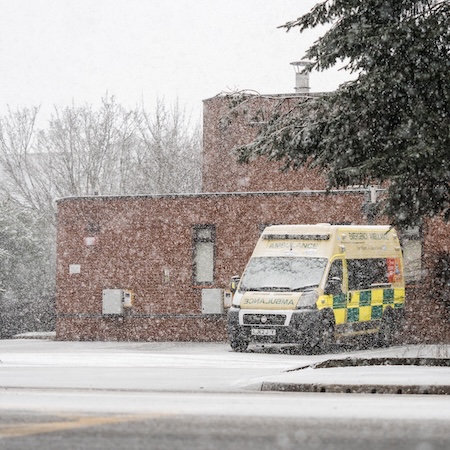
After the busiest summer in NHS history, the government is boosting urgent care capacity as the health service prepares for one of its most challenging winters.
Planning for winter pressures started in April when plans were confirmed for an additional 25 new or expanded urgent care sites, 17 of which are already open, with most of the others to follow between October and December.
The investment follows a summer of record NHS activity and extreme heat. With seasonal illnesses, including flu and norovirus, adding to the heavy workload over winter.
Health and Social Care Secretary Yvette Cooper says: “Winter will be more challenging for our NHS this year, after such a heavy summer. That’s why we have been preparing early and investing in extra urgent care capacity to help get patients the care they need.
“NHS staff worked incredibly hard to keep on top of the extra pressure this summer. Now we need to support them in delivering for patients through the winter season, so our NHS is there for all of us when we need it.”
Future-planning
The government has also announced that almost £140 million will be invested in 14 new urgent care schemes across England, including new urgent treatment centres (UTCs) and same day emergency care services (SDECs), new ambulance fleets, and emergency department upgrades, providing a significant increase in frontline and urgent care capacity.
In total, the government is investing almost £2 billion in urgent care capital projects until 2030, improving facilities and ensuring people can get care closer to home, on top of a £1.5 billion investment confirmed so far for projects to address urgent maintenance problems across the NHS estate. Last week the new figure for backlog maintenance across the NHS in England was confirmed as £17.3 billion, with £3.7 billion of that classified as high risk.
Sir Ciarán Devane, Chief Executive of the NHS Alliance, says: “This is a welcome investment to strengthen NHS urgent and emergency care and frontline capacity.
“NHS leaders and their teams continue to work hard to provide high-quality, timely care as services prepare for the winter months.
“With demand on NHS services remaining high, the priority needs to be easing pressure on hospitals, improving patient flow and supporting more people to receive care closer to home or return home sooner.”